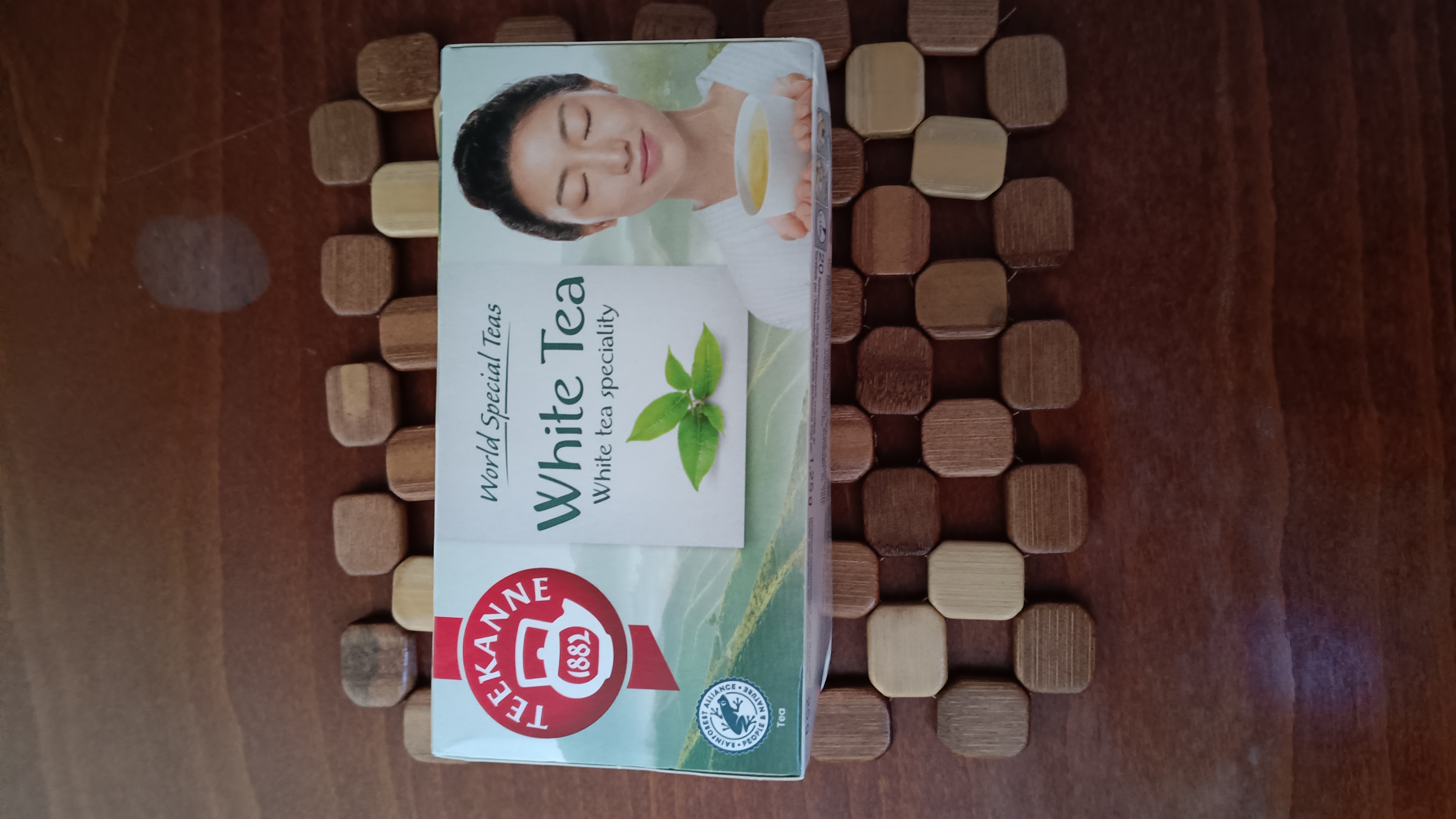

White tea has always lived in the shadow of its more famous sibling, green tea, yet it quietly outperforms it in ways most people never realise.
I have been browsing the aisles of the local supermarket abroad and have found Teekanne White Tea that have been on my wish list for long time. It is a super duper food similar to under rated blackcurrants are their dramatic, punchier cousin. In fact, the blackcurrants have a higher level of anthocyanins than over hyped blueberries and so humble white tea overperforms green one. If you will drink a cup of green tea, like Dan Kretinsky or many other celebs, give a try to something else than the main crowd.
White tea is one of those quiet little wonders that most people walk right past without realising how special it is. If green tea is the loud, popular kid everyone knows, white tea is the soft‑spoken friend who turns out to be incredibly impressive once you actually get to know them. It’s made from the youngest, most delicate parts of the tea plant, and because it’s barely processed, it keeps more of the good stuff your body loves—especially antioxidants. These are the compounds that help your cells stay healthy and protect you from everyday stressors. Green tea gets all the fame for this, but white tea often has even higher levels simply because it’s handled so gently. It is all the same tea anyway – white – green – black, in this line of the succession.

What surprises a lot of people is how easy white tea is to drink. It doesn’t have that strong, grassy bite that can make green tea feel like an acquired taste. It’s naturally smooth, slightly sweet, and incredibly calming. I like to drink it in the afternoon when I shut down my coffee, espresso habit. It makes good camaraderie with rooibos and Earl Grey (just a splash of full fat milk, never sugar). Even the caffeine feels different—more like a soft lift than a jolt—so it’s perfect for people who want a gentle boost without the jitters. And because it’s so mild, it’s kinder on your stomach too. It also comes with a lot of benefits and nutrients.
The funny thing is, despite all these perks, white tea is still weirdly underrated. It doesn’t get flashy marketing campaigns, and most people don’t even know what it tastes like. Once you try it, you will be hooked on. You realise it’s one of the simplest, most soothing ways to take care of yourself. It supports your skin, your energy, your overall sense of calm—without demanding any effort from you. It’s the kind of drink that quietly makes your day better, sip by sip.
Here are the standout perks:
Extremely high in antioxidants – white tea is barely processed, it retains a high amount of antioxidants. These help protect your cells from oxidative stress, which is linked to aging and chronic disease.
Great for skin health – white tea’s antioxidants may help protect collagen, reducing signs of aging and supporting smoother, healthier skin.
Support heart health – studies suggest white tea may help reduce the risk of heart disease by lowering LDL cholesterol and improving blood vessel function.
Good for teeth – naturally contains fluoride, tannins, and catechins, which may help prevent dental cavities and strengthen enamel
Weight management – some research links white tea to fat breakdown and metabolism support, similar to green tea but sometimes even stronger due to its catechin content.
Anti – inflammatory properties – contains compounds that may help reduce inflammation, supporting overall wellness and potentially easing chronic inflammatory conditions



 No products in the cart.